Articles
Which Confinement Herbs Should You Order ?

Many first-time mothers feel overwhelmed when deciding what confinement herbs to order for their postnatal recovery. Between soup-only packages, red dates tea, herbal baths, and complete postnatal programmes, the choices often seem endless. The right order actually depends on your specific birth type, recovery progress, lactation plans, and any prescribed medicines. It also comes down to practical factors, like whether you have reliable cooking support at home. This guide serves as a practical ordering manual rather than direct medical advice. We will explore the traditional progression from early recovery to deep nourishment and vitality. Remember that formulas should not be selected solely from generic benefit claims. You also need to carefully consider package duration, preparation steps, delivery timing, and product safety.
Quick Summary
- Order herbs according to recovery stage and birth type
- Check lactation needs, allergies and prescribed medicines
- Choose a duration that matches available cooking support
- Confirm daily labels, fresh packing and delivery timing
- Seek medical care for postpartum warning signs
Which Confinement Herbs Should You Order?
You should order a combination of daily soup herbs, red dates tea, bath herbs, and optional nourishing add-ons to support your recovery.
Red Dates Tea for Daily Hydration
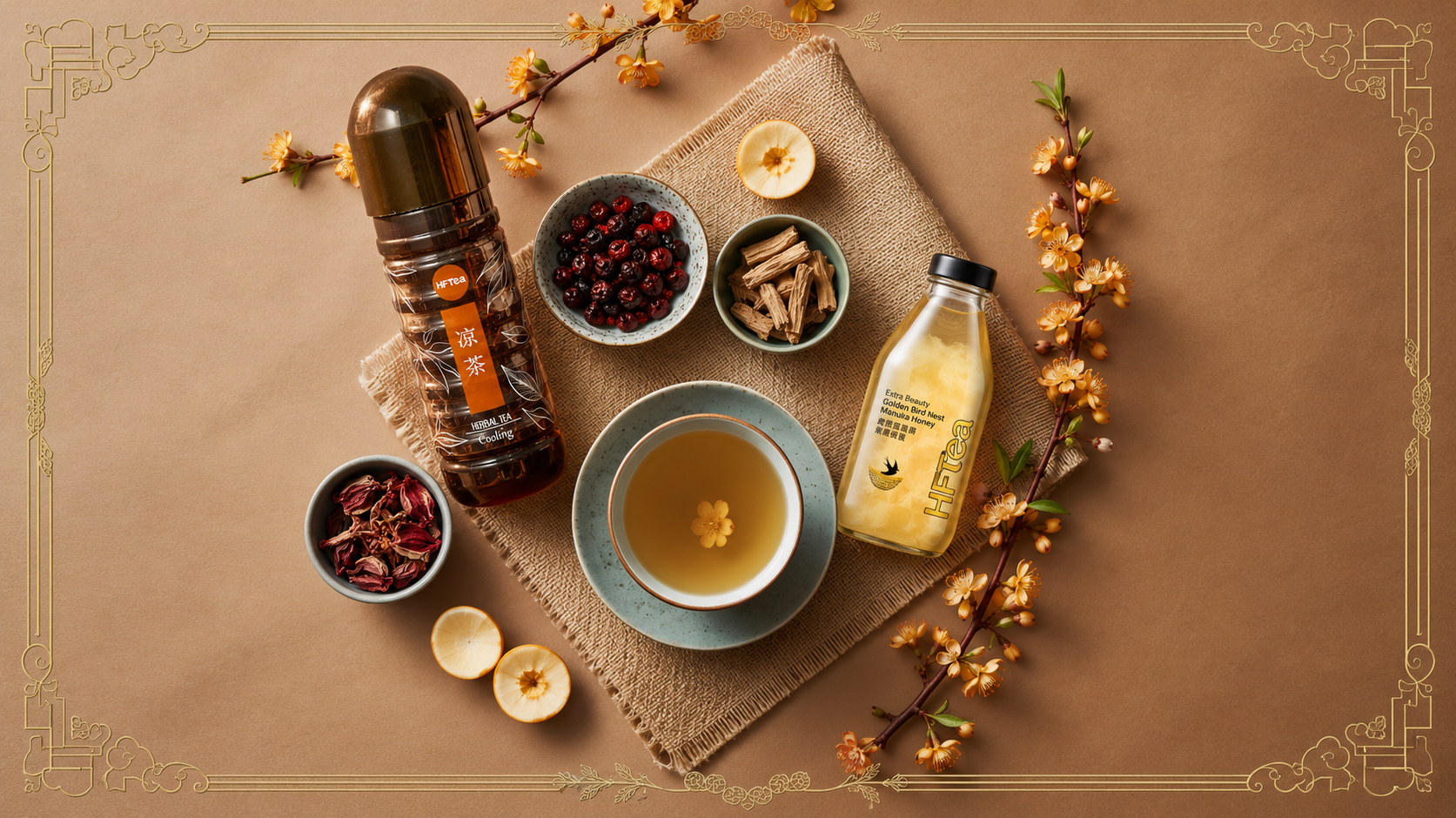
When selecting your red dates confinement tea, look for quality ingredients.
- Core ingredients: A personalised 30-day tea typically includes red dates, black dates, longan, and raw dangshen.
- Practical routine: Having a labelled daily drink provides a comforting, structured element to your confinement routine.
- Sensible usage: Do not present the tea as a replacement for plain water, balanced meals, or clinical care.
Keeping a warm flask of tea nearby encourages regular sips without the effort of constant brewing.
Recovery Soups for the Early Phase
Your early postpartum recovery soups should focus on clearing and healing.
- Structured packages: Look for sets that include Sheng Hua Soup, appetite support soup, and kidney tonic soup.
- Tailored selection: Your early-stage selections must reflect your specific birth type and current physical recovery.
- Realistic expectations: Always distinguish traditional Traditional Chinese Medicine (TCM) use from clinically proven treatment claims.
Bath Herbs and Optional Add-Ons
Complete postnatal herbal bath packages often include specific herbs for both the mummy bath and the baby bath. These provide a soothing external application to complement your internal nourishment. You might also consider bird’s nest drinks and premium herbs, though these serve as optional additions rather than strict essentials. Before using any bath products after delivery, always check your wound care instructions from your maternity team.
Why Must Herbs Match Your Postnatal Needs?
Herbs must match your needs because your birth type, lactation goals, allergies, health conditions, and current medicines directly dictate which ingredients are safe and beneficial.
Match Herbs to Birth and Recovery
Choosing herbs after natural or caesarean birth requires different practical considerations. A caesarean section involves major surgery, meaning wound recovery takes precedence and certain blood-moving herbs might need to be delayed. You must account for your current level of bleeding, appetite, and any specific medical instructions. If your maternity team advises it, be prepared to delay or adjust your herbal intake to ensure safe healing.
A common pitfall is rushing into strong tonics too early, which can sometimes overwhelm a healing digestive system.
Check Lactation, Allergies and Medicines
When ordering confinement herbs while breastfeeding, safety is paramount.
- Health records: Document your breastfeeding goals, known allergies, and any current supplements you take.
- Professional advice: Ask a registered TCM practitioner and your prescribing clinician about possible interactions.
- Ingredient awareness: Do not assume that traditional or natural ingredients are automatically suitable for everyone.
Know When to Seek Medical Care
Always monitor for postpartum warning signs during your recovery.
- Red flags: Watch out for heavy bleeding, chest pain, breathing difficulty, high fever, severe headache, and worsening wound symptoms.
- Immediate action: Direct these urgent symptoms to emergency or maternity services rather than waiting for an herbal consultation.
- Official guidance: Follow current Ministry of Health (MOH) guidance and your specific hospital discharge instructions.
How Do Personalised Herb Packages Compare?
Personalised packages offer custom formulations based on your health profile, whereas generic sets provide standard, pre-packed ingredients.
| Aspect | Heng Foh Tong personalised packages | Pre-packed generic herb sets |
|---|---|---|
| Individual health and birth review | ✓ Assesses birth type, lactation, and medical conditions | ✗ Fixed formulas for all users |
| Formula customisation | ✓ Adjusts ingredients to your constitution and taste | ✗ No personal adjustments |
| Fresh dispensing | ✓ Herbs dispensed fresh only after order confirmation | ✗ Pre-packed and stored on shelves |
| Daily labels and preparation support | ✓ Clear daily labels and cooking guides included | Partly |
| Due-date delivery planning | ✓ Automatic delivery scheduled around your due date | ✗ Standard shipping timelines |
Compare Customisation and Freshness
When weighing personalised versus generic confinement herbs, the difference lies in the details. Personalised herbs involve individual intake questions to tailor the blend, unlike fixed generic herb sets. This ensures fresh dispensing only after your order is confirmed. The formulations are then adjusted specifically for your birth type, lactation plans, allergies, medical conditions, and even taste preferences.
Check Daily Labels and Cooking Support
Using daily labelled confinement herb packets takes the guesswork out of preparation.
- Clear instructions: Day-labelled packets reduce confusion for partners, nannies, and domestic helpers.
- Equipment needs: Check whether a cooking guide and a slow cooker are included in your selected package.
- Household reality: Assess whether a soup-only, soup-and-tea, or complete care package is realistic for your household’s daily routine.
Plan Delivery Around Your Due Date
Organising your confinement herb delivery before EDD ensures you have everything ready when you return home. Most tailored services arrange automatic delivery three days before your estimated delivery date. However, you should advise the seller to confirm arrangements if your labour begins early or the due date changes. It is highly recommended to order ahead because personally dispensed packages require time and have limited daily capacity.
Families often find that securing their order at least a month in advance significantly reduces last-minute stress.
How Should You Prepare and Store Herbs?
You should prepare herbs by carefully reviewing the daily packets, following specific boiling times, and storing them in a cool, dry place.
Step 1: Review Every Daily Herb Pack
Step 1: Check daily confinement herb packets.
Action: Match the packet to the correct day and recovery phase.
Tools needed: Your package guide, a clean work surface, and a cooking pot.
Time required: Two to five minutes.
Photographing the labels before discarding the packaging helps you keep track of what you have consumed.
Step 2: Rinse, Boil and Serve Safely
Step 2: Learn how to boil confinement herbs.
Action: Rinse the ingredients as directed, add the stated water volume, and follow the exact package timing.
Tools needed: A clean pot or slow cooker, a measuring jug, and a food-safe container.
Time required: Follow the product guide closely because soup and tea timings differ significantly.
Do not change ingredient quantities without professional guidance, as this alters the formula’s balance.
Step 3: Store Herbs in Humid Weather
Step 3: Know how to store dried confinement herbs.
Action: Keep all unopened herbs sealed, dry, and away from heat or direct light.
Tools needed: An airtight container and a refrigerator when the label specifically recommends refrigeration.
Time required: Inspect the packets briefly before each use.
Always discard herbs showing moisture, mould, insects, damaged seals, or unusual odours.
How Can You Order Safely Before Delivery?
Order safely by verifying the seller’s credentials, understanding how your health data is used, and confirming the total costs.
Verify the Seller and Product Details
Knowing how to verify a TCM herb seller protects you from substandard products.
- Business identity: Check the medical hall’s identity, physical contact details, and detailed product descriptions.
- Practitioner checks: Verify any practitioner through the TCM Practitioners Board (TCMPB) register when clinical advice is provided.
- Safety standards: Treat therapeutic promises cautiously and consult Health Sciences Authority (HSA) guidance for product classification and safety alerts.
Share Health Details Under the PDPA
Maintaining privacy when ordering personalised herbs is essential. Sellers will request details about your birth type, allergies, and medical history to tailor the formulas accurately. You should always use official website, email, or WhatsApp channels to share this information. Ensure you understand the purpose, handling, and retention of your personal data under the Personal Data Protection Act (PDPA).
Confirm GST, Delivery and Support
Clarifying confinement herb delivery and GST prevents unexpected charges.
- Pricing transparency: Confirm whether the displayed Singapore Dollar (SGD) prices already include Goods and Services Tax (GST).
- Logistics: Check the delivery fees, expected arrival times, rescheduling terms, and current package inclusions.
- Record keeping: Save your consultation and order records in case a formula or delivery detail needs clarification later.
Conclusion
A sensible order begins with your actual recovery needs rather than simply choosing the longest package or the strongest-sounding formula. By matching your package to your birth type, recovery stage, and available cooking support, you set a solid foundation for healing. Remember to disclose your lactation needs, allergies, health conditions, and medicines to ensure absolute safety. Always confirm that you are receiving fresh dispensing, clear daily labels, proper storage instructions, and reliable delivery details. Crucially, use these traditional herbs alongside appropriate postnatal medical care.
We encourage you to review the confinement herb collection from Heng Foh Tong and request a personalised consultation before selecting a package. If your delivery circumstances, breastfeeding goals, medicines, or recovery needs change, reassess your plan to ensure it continues to serve your health perfectly.
Frequently Asked Questions
Which Heng Foh Tong package suits shorter confinement?
Heng Foh Tong offers 14-day, 28-day and 38-day options. Choose according to recovery needs, cooking support and advice from the maternity team or a registered TCM practitioner.
Does Heng Foh Tong personalise herbs after caesarean birth?
Yes, Heng Foh Tong can personalise packages for caesarean birth, lactation needs, medical conditions, allergies and taste preferences. Share current medicines and follow the maternity team’s recovery instructions.
What should breastfeeding mothers check before ordering?
Breastfeeding mothers should check every ingredient and disclose medicines, supplements and allergies. Ask the prescribing clinician and a registered TCM practitioner about suitability for both mother and baby.
Are confinement herb products regulated by HSA?
It depends. HSA requirements vary according to whether an item is classified as food, traditional medicine or another health product, so check the product category and current safety guidance.
Can herbs be taken with prescribed medicines?
It depends. Some herbs may interact with medicines or affect recovery, so personalization of the package will be important to cater for the concerns.