Articles
What Is Traditional Chinese Confinement? A Guide for New Mums
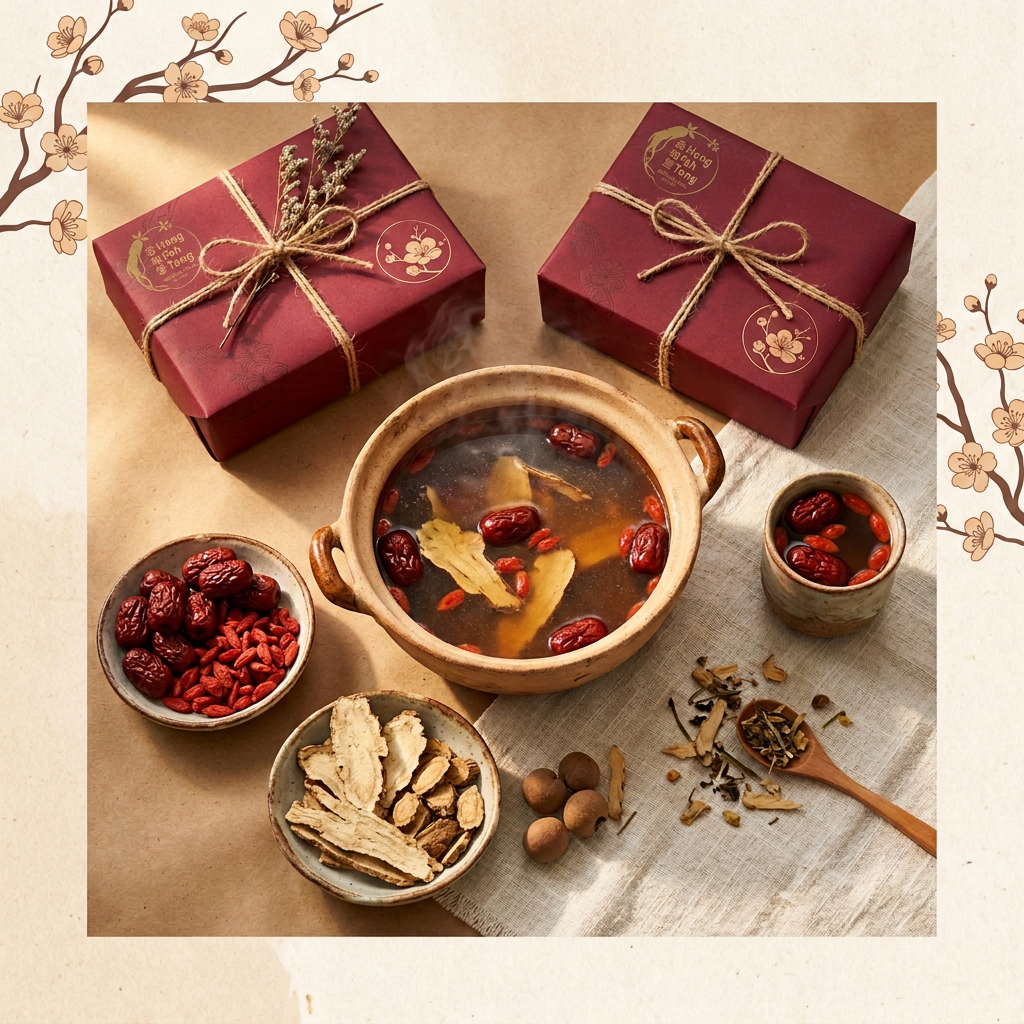
Welcoming a baby is a joyous milestone, but the physical toll of childbirth requires dedicated healing. If you are exploring traditional Chinese confinement Singapore options, you are looking at a structured recovery phase designed to restore your health safely. This practice, historically known as sitting the month, gives mothers the essential rest and nourishment they need to rebuild their energy.
The reality is that navigating these ancient customs can feel overwhelming for modern parents. By understanding specific zuo yuezi practices, you can blend time-honoured wisdom with contemporary comfort. This guide covers everything from preparing herbal soups to adapting traditional rules, helping you plan a smooth and deeply restorative postnatal journey.
Quick Summary
- Defines traditional confinement clearly for first-time mothers
- Explains why these practices remain highly relevant today
- Introduces the role of herbal soups, red dates tea, and baths
- Guides you on adapting rules and avoiding common mistakes
- Highlights the importance of personalised herbal packages
Why Does Confinement Matter for New Mothers?
Confinement matters because it provides a dedicated period for new mothers to heal physically and emotionally after the immense strain of childbirth.
The confinement period history stretches back thousands of years. Records of Qin Dynasty zuo yuezi show early recognition of maternal health needs. Today, Asian postpartum practices continue to highlight the importance of proper rest. Taking this time off allows your body to repair tissues, balance hormones, and regain lost strength naturally. You can learn more about these cultural roots from the National Heritage Board Singapore cultural heritage resources. You can learn more about these cultural roots from the National Heritage Board Singapore cultural heritage resources.
A standard confinement period duration typically lasts for nearly a month, allowing the body enough time to transition out of its weakened state.
The TCM View of Postpartum Recovery
Traditional Chinese Medicine (TCM) views childbirth as an event that severely depletes your vital energy and blood. This makes qi restoration childbirth protocols essential for long-term wellness. Without proper care, the body enters a vulnerable cold state that invites illness. Focus is placed heavily on blood replenishment after birth to prevent future complications. True TCM postpartum recovery aims to rebuild your foundation from the inside out.
Many new mothers find that following a structured recovery plan helps them feel grounded during the chaotic first weeks of parenthood.
Physical and Emotional Benefits
The benefits extend far beyond simple rest and relaxation.
- Supports uterus recovery after birth and speeds up overall tissue healing
- Aids lochia recovery confinement by clearing postnatal discharge safely
- Provides specific milk supply confinement food to support breastfeeding
- Offers emotional comfort to support new mother recovery Singapore families expect
In practice, these benefits give mothers the strength to bond with their newborns without feeling completely drained.
Key Practices of Chinese Confinement
The core practices include a specialised diet of herbal soups, restorative herbal baths, and strict rest guidelines to rebuild strength over a month.
Many families commit to a confinement period 30 days long to ensure complete healing. During this time, mothers follow a daily routine focused entirely on nourishment and gentle recovery.
Confinement Diet: Herbal Soups and Teas
Nutrition is the absolute cornerstone of healing. The yin yang postpartum diet balances warming and cooling elements carefully. You must navigate hot and cold food TCM principles to avoid upsetting your sensitive stomach.
- Consume a daily confinement herbal soup like Sheng Hua Soup for healing
- Drink red dates confinement tea daily since confinement no plain water traditions apply
- Use traditional confinement food ingredients like ginger sesame oil confinement staples
- Avoid cold foods strictly as part of your confinement diet restrictions
- Eat specific first week confinement food to clear the womb gently
Some families use rice wine confinement cooking and serve pork trotter ginger vinegar to boost warmth. Others follow strict confinement food no salt rules. Modern doctors suggest a balanced postpartum nutrition Singapore approach instead. A good breastfeeding confinement diet keeps you nourished without causing unnecessary stress.
Herbal Baths and Rest Guidelines
Proper rest is vital for your physical repair. Good postpartum rest practices mean staying in bed as much as possible initially. A warm postnatal herbal bath helps with postpartum wind prevention by keeping the body warm and relaxed.
A common pitfall is avoiding water entirely, but modern doctors agree that staying clean actually prevents harmful infections.
You just need to follow sensible confinement showering rules by using warm water and drying off immediately. This keeps you clean while respecting traditional wisdom.
Common Do’s and Don’ts During Confinement
Balancing traditional rules with modern life is key to a happy recovery. You must follow sensible postpartum confinement rules without causing yourself distress.
| Practice | Traditional Strict Rule | Modern Adaptation | Best For |
|---|---|---|---|
| Air Conditioning | Strictly forbidden | Set to 25 degrees, avoid direct draft | Sensible confinement air conditioning rules |
| Bathing | No bathing for a month | Warm herbal showers, dry hair quickly | Hygiene and comfort |
| Diet | Only heavy meats and herbs | Balanced meals with targeted herbs | Overall recovery |
How to Plan Confinement in Modern Singapore
Planning involves choosing your support system early, securing personalised herbs, and setting up a comfortable recovery space at home.
Planning for modern confinement Singapore looks different than it did decades ago. Interestingly, we see shared wisdom across Chinese Malay Indian confinement traditions. You have many confinement practices ethnic groups can learn from to build a better recovery plan.
Choosing Your Confinement Support
You need to decide who will help you during this vulnerable time. When looking at the confinement meal cost Singapore options, you have several paths. You might compare a confinement nanny vs centre to see what fits your budget.
| Option | Pros | Cons | Best For |
|---|---|---|---|
| Confinement Nanny Singapore | Personalised care at home | Requires a spare room | First-time parents |
| Confinement Centre Singapore | 24-hour professional care | High cost, less privacy | Mothers needing total rest |
| Home with Helper | Cost-effective and private | Requires family guidance | Families on a budget |
If you stay home, a confinement food delivery Singapore service or confinement food catering can save you immense time.
Why Personalised Herbs Make a Difference
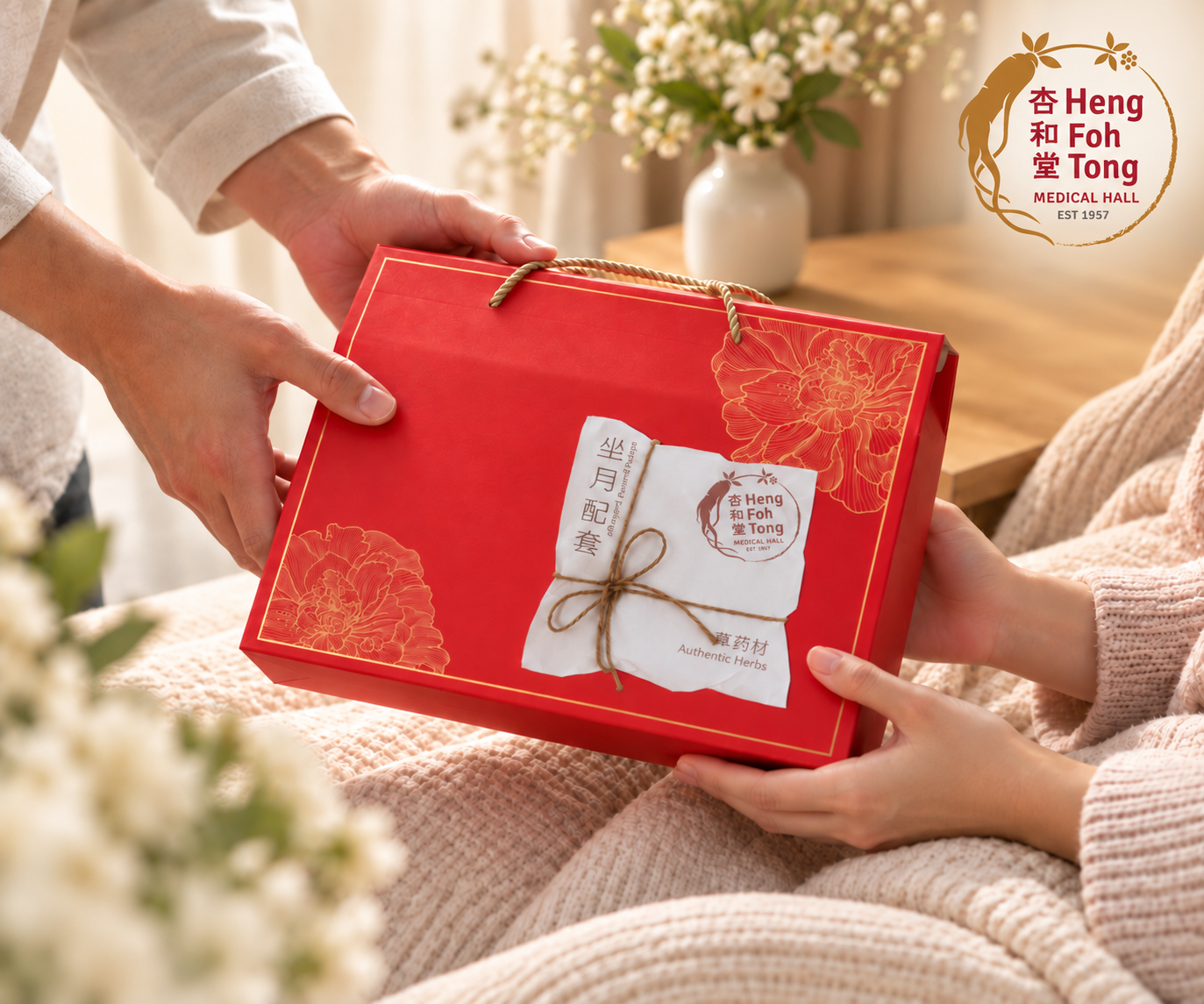
Every mother has a unique body constitution and birth experience. Buying generic confinement herbs Singapore packages can be risky. Brands like Heng Foh Tong offer a personalised 28-day confinement package. Their experienced dispensers customise the herbs based on whether you had a natural birth or a caesarean. To make this process seamless, you can explore the Personalized Complete Top Grade Confinement Postnatal Package for tailored care.
In practice, a mother recovering from surgery needs different herbs than one who had a natural birth, making customisation crucial.
A Simple Confinement Planning Checklist
Good postnatal confinement practices start with early and thoughtful preparation.
- Decide on your primary support person or nanny early on
- Order your personalised herbal packages by the third trimester
- Stock up on red dates and warming ingredients for the kitchen
- Prepare a comfortable and warm recovery room in your house
- Communicate confinement preferences with family and helpers
Common Confinement Mistakes to Avoid
The biggest mistakes are skipping essential herbs, using generic formulas, or causing yourself distress by following outdated rules too strictly.
It is easy to feel overwhelmed by well-meaning advice from relatives. You must navigate through confinement myths Singapore mothers often hear. Even a mini confinement miscarriage recovery requires proper care, so never skip your healing steps.
Skipping Herbs or Using Generic Packages
Skipping herbal soups entirely can slow your recovery significantly. Generic packages might contain lower-grade ingredients that do not suit your body at all. You need herbs that match your specific birth experience and lactation goals perfectly. For instance, securing the Personalized FIRST 14 Days Necessity Herbs Soup-Only Package ensures you get exactly what your body needs early on.
Following Outdated Rules Too Strictly
Some traditional rules cause unnecessary suffering in our humid climate.
- Do not suffer in extreme heat without gentle air circulation
- Do not skip bathing if you feel unhygienic or uncomfortable
- Do not force yourself to eat foods you are allergic to
Having confinement food myths debunked by a trusted practitioner helps you heal with peace of mind.
Getting Started with Your Confinement Journey
Begin by consulting a trusted provider to customise your herbal package based on your expected birth method and lactation needs.
Do not wait until the last minute to plan your recovery. Reach out to a heritage brand to secure your herbs early.
Ordering your herbs by the third trimester ensures they arrive fresh and exactly when you need them.
Your Confinement, Your Way: Honouring Tradition with Confidence
Your confinement is a personal journey that blends time-honoured traditions with modern comfort to ensure a complete recovery. Embracing a Chinese confinement Singapore approach means taking the best of the past and adapting it for today. Traditional practices remain deeply beneficial when approached with the right support. Personalised herbal packages make this process simpler and much more effective. Explore Heng Foh Tong to find customised herbal solutions tailored to your birth type and preferences. Let over six decades of heritage expertise guide you to a healthier, stronger postpartum life.
Is confinement necessary after a caesarean birth?
Yes. Confinement is practised after both natural and caesarean births, though herbal formulations are adjusted to suit your recovery needs and wound healing.
Are Heng Foh Tong confinement herbs personalised?
Yes, Heng Foh Tong personalises every confinement package based on your birth type, lactation needs, allergies, and taste preferences at no extra cost.
Can I shower or bathe during confinement?
Yes. Most modern practitioners recommend warm showers. Herbal baths are also used to help dispel wind and promote circulation during recovery.
Which Heng Foh Tong confinement package should I choose?
Heng Foh Tong offers packages from 14-day soup-only sets (from SGD199) to premium 38-day programmes. A free consultation helps match the right package to your needs.
When should I order confinement herbs?
Usually by the third trimester. Heng Foh Tong arranges automatic delivery three days before your estimated due date, so early booking is recommended.